
Teams and Organizations
Effective organizations grow and sustain their results and impact through the collective work of their people and teams. Just as teams are essential for organizational performance, they are also at the heart of enabling successful organization change and development.
High-performing teams develop the capacity to effectively prepare for and implement change processes. A network of teams, working in concert across the organization, enables the spread and adoption of organizational change, positively affecing the capacity, culture, and impact of the organization.
Invest in our team and organizational development services to fuel your journey towards impact.
EFFECTIVE TEAMS ARE THE KEY TO STRONGER ORGANIZATIONS
No individual leader, no matter how charismatic or powerful they are, can drive organizational change by themselves. Change in organizations is a collective effort – maybe even a team sport!
Working together, the members of a team can support one another in advancing the team’s goals. They strategize and plan together, they assign responsibility for different tasks, they hold each other accountable for progress, and they review and adapt the plan as conditions change.
The impact of an effective team typically spills over into other teams. Strengthening a network of teams across the organization creates nodes of change, fosters new capacity, and catalyzes experiments and innovation in support of the overall organizational change.
And this starts at the level of the team.
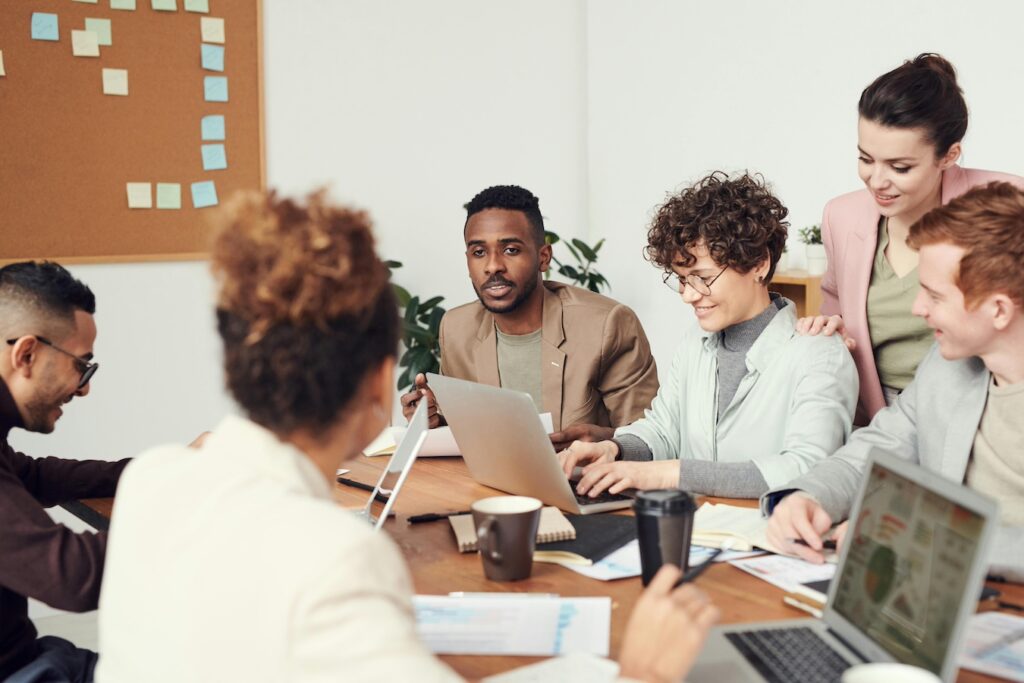
Unlock the Power of Your Teams
Do you lead a team that is responsible for an important organizational goal?
Are you sponsoring an organizational change initiative that relies on either temporary or intact teams to deliver key results?
Leaders come to us for support in these and similar scenarios:
The team is planning and leading a change initiative
A group of teams is charged with implementing several pillars of a change program
A leadership team needs to improve its effectiveness
A team is leading a company restructuring
The team is newly formed – or has new members
The team is charged with spearheading a workplace culture initiative
An new executive team has been formed after a merger
A team is responsible for the organization’s DEI program
The team is developing and implementing a new strategic initiative
A team has a new leader and a fresh mandate
Tailoring our approach to the needs of each team, we enable them to align their collective efforts to advance the team’s goals. They clarify their shared goal, interpersonal and team communication improves, trust and accountability deepens, and they navigate challenges with greater ease.
Getting started with our team and organizational development services is simple :
- Assess the starting conditions: we work with the team to develop goals for its development, drawing on interviews and assessment tools
- Ongoing team coaching and support: we work in-person and virtually with the team, supporting key processes
- Adaptable approach: we appreciate the complexity of team environments, and we adjust our support as needed
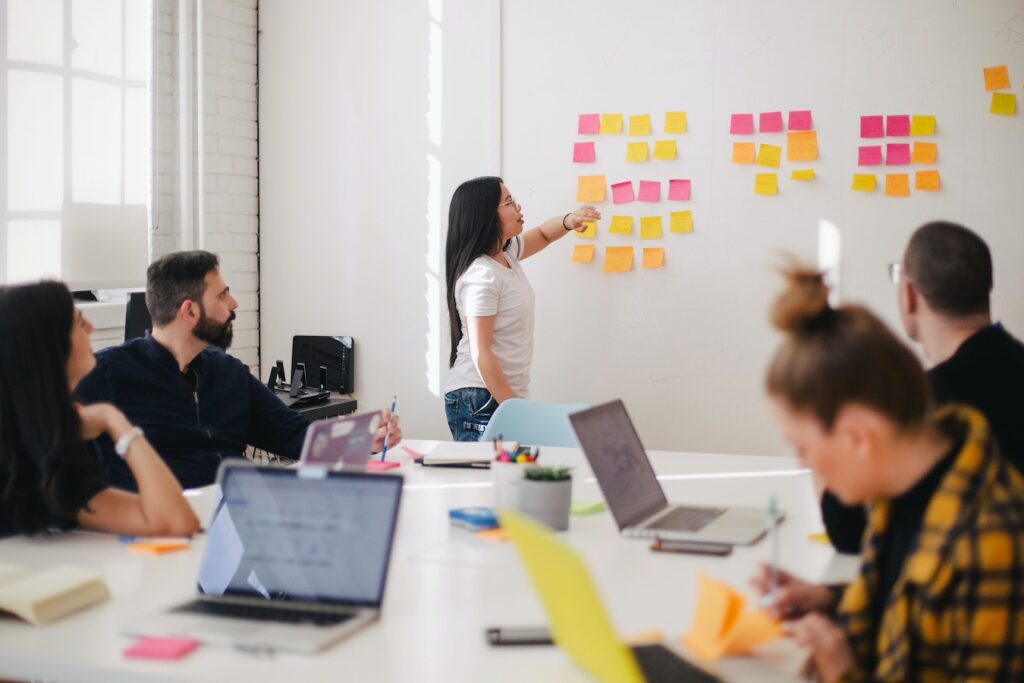
Invest in your organizations and teams today. Contact us to schedule a consultation and embark on a transformative journey that will unlock your full potential.
WHAT OUR CLIENTS ARE SAYING
“Michael’s approach to this complex work had the needed flexibility to respond to fast-moving changes. And people felt heard and engaged, and we have a high-functioning team that is meeting its goals.”
“Michael’s attentiveness to the whole organizational body helped me pace the company through this change in an intentional manner. This brought about significant buy-in from our stakeholders.”
“Michael’s understanding of working with cultural differences supported staff in connecting, learning, and working together. Staff at all levels participated in creating and implementing a connected global organization.”
“Michael’s work with my team was crucial in forming a new leadership structure and ways of working as a global team. We have been able to adapt to emerging business needs because he helped us proactively identify and invest in necessary changes.”
“Michael’s approach to this complex work had the needed flexibility to respond to fast-moving changes. And people felt heard and engaged, and we have a high-functioning team that is meeting its goals.”
Case Study 1:
The senior executive team formed a new management team and wanted it to take on new responsibilities.
We worked with both teams in defining their mandates, clarifying roles and responsibilities, and developing effective communication processes. Executives were freed to work on strategic priorities, and managers grew their capacity and effectiveness.
“Michael’s attentiveness to the whole organizational body helped me pace the company through this change in an intentional manner. This brought about significant buy-in from our stakeholders.”
Case Study 2:
A new team was formed to lead an ambitious scaling initiative for a national organization. Pressure to succeed was high.
Our work with the team over several months resulted in stronger connections, agreement on bold steps, and success in navigating a complex landscape.
“Michael’s understanding of working with cultural differences supported staff in connecting, learning, and working together. Staff at all levels participated in creating and implementing a connected global organization.”
Case Study 3:
A team of leaders were charged with driving the company’s DEI strategy and implementing a multi-pillar program.
Our support for the leader and her team allowed them to foster strategic relationships, roll-out enterprise-level initiatives, and build high levels of staff engagement and support for DEI priorities.
“Michael’s work with my team was crucial in forming a new leadership structure and ways of working as a global team. We have been able to adapt to emerging business needs because he helped us proactively identify and invest in necessary changes.”
Case Study 4:
The staff of a newly formed department in a global organization, distributed across multiple time zones, were struggling to communicate and collaborate.
We supported a cross-functional working group as it engaged staff, created a guiding framework for change, and implemented a new global initiative.
Case Study 1:
The senior executive team formed a new management team and wanted it to take on new responsibilities.
We worked with both teams in defining their mandates, clarifying roles and responsibilities, and developing effective communication processes.
Executives were freed to work on strategic priorities, and managers grew their capacity and effectiveness.
Case Study 2:
A new team was formed to lead an ambitious scaling initiative for a national organization. Pressure to succeed was high.
Our work with the team over several months resulted in stronger connections, agreement on bold steps, and success in navigating a complex landscape.
Case Study 3:
A team of leaders were charged with driving the company’s DEI strategy and implementing a multi-pillar program.
Our support for the leader and her team allowed them to foster strategic relationships, roll-out enterprise-level initiatives, and build high levels of staff engagement and support for DEI priorities.
Employee engagement results improved, turnover decreased, and value for clients increased.
Case Study 4:
The staff of a newly formed department in a global organization, distributed across multiple time zones, were struggling to communicate and collaborate.
We supported a cross-functional working group as it engaged staff, created a guiding framework for change, and implemented a new global initiative.
Adapting our response to the COVID pandemic, the department saw high levels of engagement as staff successfully collaborated to lead new initiatives.
Let's Discuss your Team and Organization Development Needs
Let’s talk about how our Team and Organization Development services can fuel your journey towards impact.
FAQ
What does organizational change management actually involve?
Organizational change management is the structured process of preparing, supporting, and guiding people through a significant organizational transition — whether that is a new strategy, a restructuring, a merger, a technology implementation, a culture shift, or a leadership change.
Effective change management addresses the human side of change: building shared understanding of why change is needed, developing the leadership capacity to lead it, engaging staff at all levels, managing resistance, and sustaining results after the transition. Without deliberate attention to the people side, even well-designed organizational changes frequently stall or fail to achieve their intended impact.
How do you assess a team’s readiness for change before starting an engagement?
We begin every team and organizational engagement with a diagnostic phase that typically includes individual interviews with team members and key stakeholders, review of relevant organizational data, and structured assessments using validated tools. This process gives us an honest picture of the team’s current state — its strengths, challenges, relational dynamics, and the specific barriers to effective change.
The assessment findings shape the goals and design of the engagement, ensuring our work is tailored to what your team actually needs rather than a generic programme.
How long does a team or organizational development engagement typically last?
This varies significantly depending on the scope and complexity of the work. A focused team development engagement — for example, helping a newly formed team build shared goals and working norms — might take three to six months. A broader organizational change process, involving multiple teams and a significant cultural or structural shift, typically unfolds over one to three years.
We design each engagement with a clear scope and timeline from the outset, and we build in regular review points to ensure we are adapting our approach as the situation evolves.
Do you work with remote and hybrid teams?
Yes. We have extensive experience supporting distributed teams across multiple time zones and geographies, and we have developed strong practice in facilitating effective team development in virtual and hybrid environments. Remote and hybrid teams often face specific challenges around communication, connection, and accountability that we are well equipped to address.
All of our team and organizational development services can be delivered virtually, in-person, or in a combination of both — depending on what works best for your team.
What is the difference between team coaching and team training?
Team training typically delivers a fixed curriculum of knowledge or skills to a group — it is primarily about content.
Team coaching is an ongoing, adaptive process focused on helping a specific team work more effectively together in its real work context. A team coach works with the team over time, observing how it functions, facilitating reflective conversations, and helping the team develop its own capacity to identify and address its challenges. The result is not just a team that knows more, but a team that works better — with stronger trust, clearer communication, and a greater capacity to navigate whatever comes next.
How do you measure the success of a team or organizational development engagement?
We establish clear, mutually agreed success metrics at the outset of every engagement, drawing on both qualitative and quantitative indicators. These typically include measures of team effectiveness (assessed through structured surveys and interviews), progress against the specific goals of the change initiative, leadership confidence and capability, staff engagement and retention, and the tangible organizational outcomes the change was designed to produce.
We build in regular reflection points throughout the engagement to assess progress and adjust our approach — so that by the time we complete our work together, the results are visible and documented.
Learn About Our Other Solutions
Individuals:
Leadership Coaching
Groups:
Coaching and Learning Programs